
I first encountered the term flipping almost two decades ago when we started doing property roadshows in Singapore.
Flipping, in simple terms, means buying a property with the intention of selling it quickly for a profit usually within a short period of time, sometimes even before the property is turned over.
Back then, many of the preselling condos we were offering had promotional payment terms like this:
10–10–80
• 10% down payment
• another 10% spread over 24 months
• 80% balance upon turnover (cash or bank financing)
The 10% spread over two years was usually 0% interest, so it was very attractive.
Because of this, several clients started asking the same question:
“Can we flip the unit before we have to pay the 80% balance?”
They wanted to earn a bit within two years, meaning, buy during preselling, then sell the unit before turnover or the 80% payment and collect the difference.
On paper, ok, good strategy.
But even then, I would usually explain something first.
Real estate doesn’t work the same way as other investments.
Una sa lahat, real estate is a hard asset.
It’s not something you can expect to encash immediately whenever you need to. Unlike stocks or other liquid investments, real estate takes time to sell.
So if a client tells me they want something they can easily enter and exit, they can if they really want to, and of course I will also try to help.
But I usually advise them to look at other investments that can offer that kind of liquidity.
In my 20 years in this industry, I’ve had the privilege of seeing estates slowly come to life.
Yes, if someone flips after five years, the price may have already increased.
But many times, it could have increased even more if they simply waited.
Of course, it’s a different story if the client truly needs to dispose of the property. Life happens, priorities change. In those cases, we will of course do our best to market the property and help them sell it.
But if the goal is really to maximize the investment, the best thing is usually to wait for the estate to become operational.
Not even fully developed.
Take BGC as an example.
Even today, it’s estimated to be only about 55% developed, so there is still so much room for appreciation.
But just looking at the price difference from the early years already tells the story.
A preselling 2-bedroom condo in BGC that sells for around ₱40M today was only around ₱9M in 2008 when it was preselling.
Same size.
Same developer.
Both in BGC.
If a client who bought at ₱9M decides to sell today, the realistic selling price might be somewhere in the ₱25M–₱30M range, depending on the building and the condition of the unit.
—
Back in 2014, about 12 years ago, one of our clients sold her 2-bedroom unit for about ₱14M.
She had purchased it in 2005 from Allen for about ₱6M with parking already! 😱
So in less than ten years, her property had already more than doubled in value. Of course that already felt like a good deal.
But think about how much it would sell for today if she had simply held on to it longer.
In my experience, real estate tends to reward patience more than speed especially here in the Philippines where it is best to purchase within or close to a masterplanned estate.
The value of a property usually unfolds over time as the estate develops, the community grows, and the area becomes more established.
So when clients ask me about flipping, I usually explain that it can work, but it’s not always the strategy that fully maximizes the potential of the investment.
So hanap muna ng ibang investment if the purpose is to earn and dispose quickly.
For me, real estate is a different investment path.
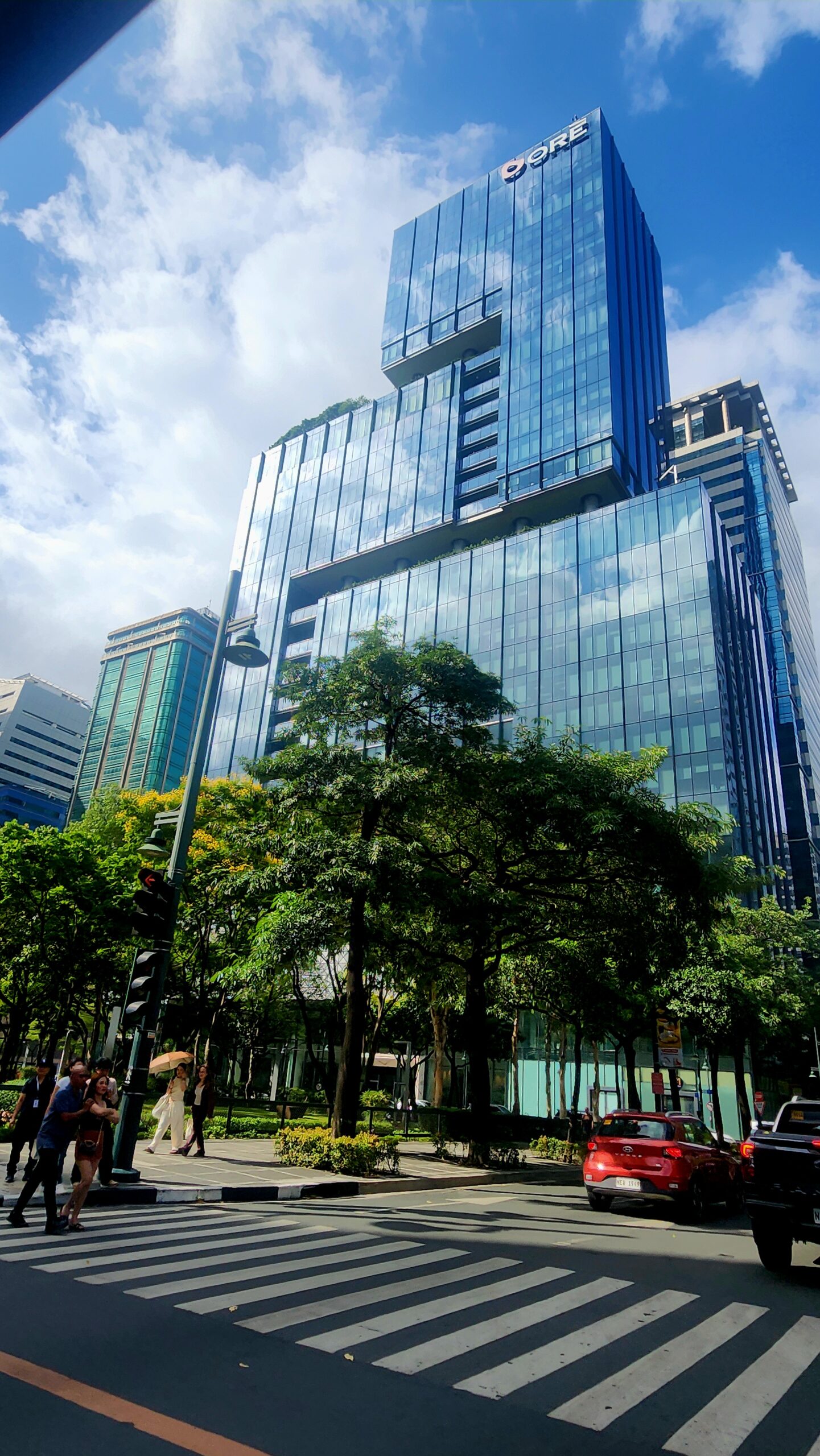
**featured photo is my fave BGC building 🙂